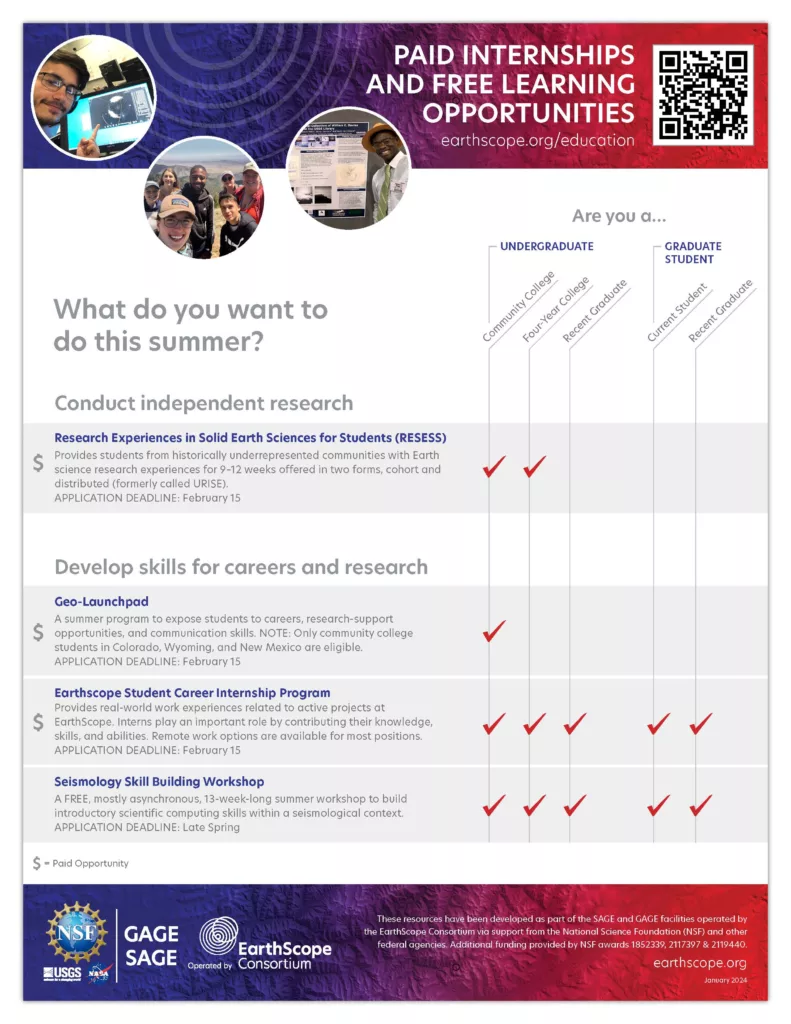



Application period for the 2010 Internship class NOW CLOSED!

Many thanks to all the students who applied to the 2010 IRIS Internship Class. The process closed February 1, 2010. Applicants will be notified of their status by March 1, 2010.  If you missed your chance to apply this year, we strongly encourage you to consider applying for the summer of 2011! Annually the program begins accepting applications on or about November 1, 2010. 

Applications for IRIS Faculty to host an intern are eing accepted until February 15th, 2010. Click here to learn more about hosting an intern.


Apply your knowledge... Explore your future... Contribute to science...


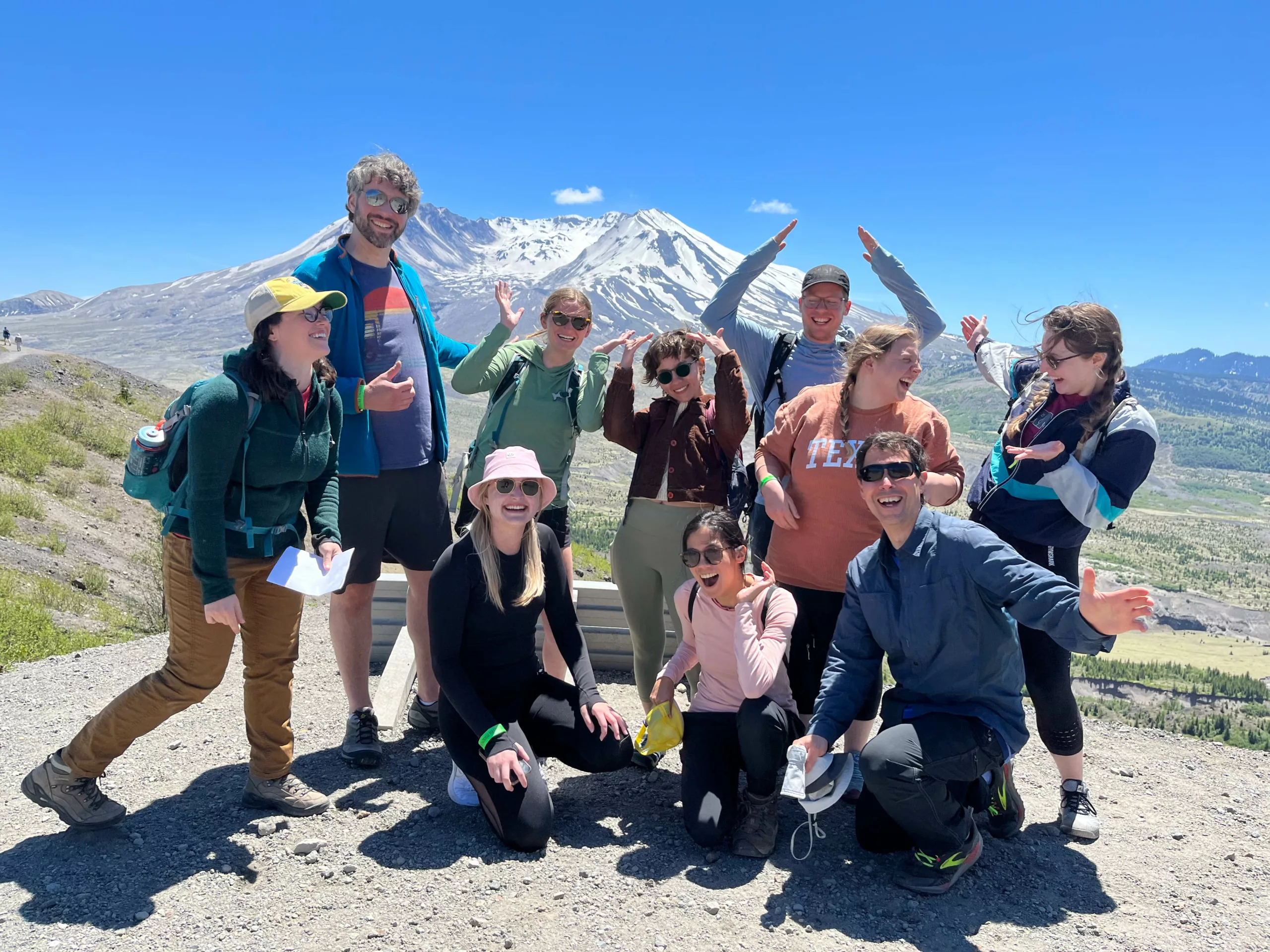
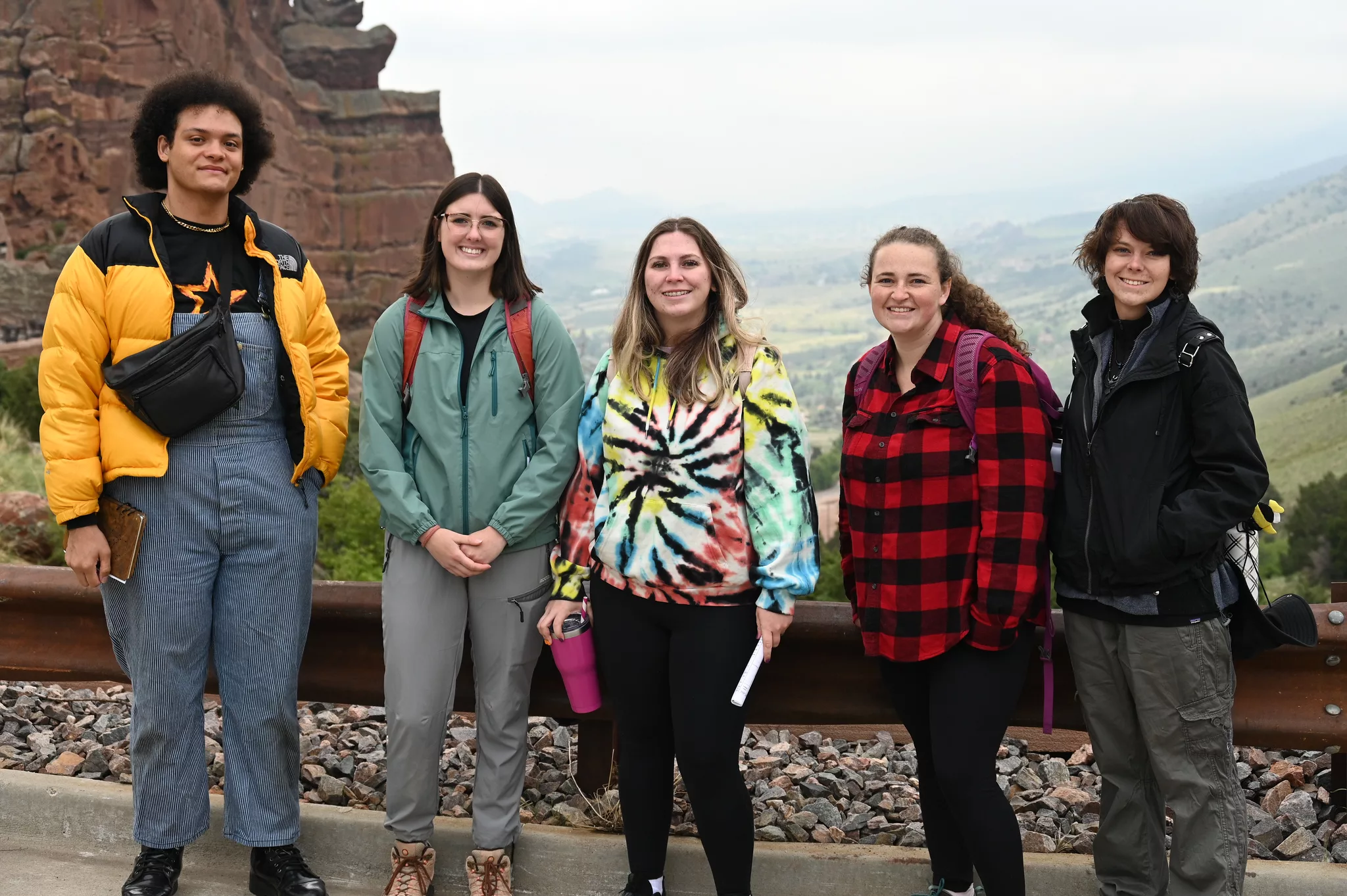
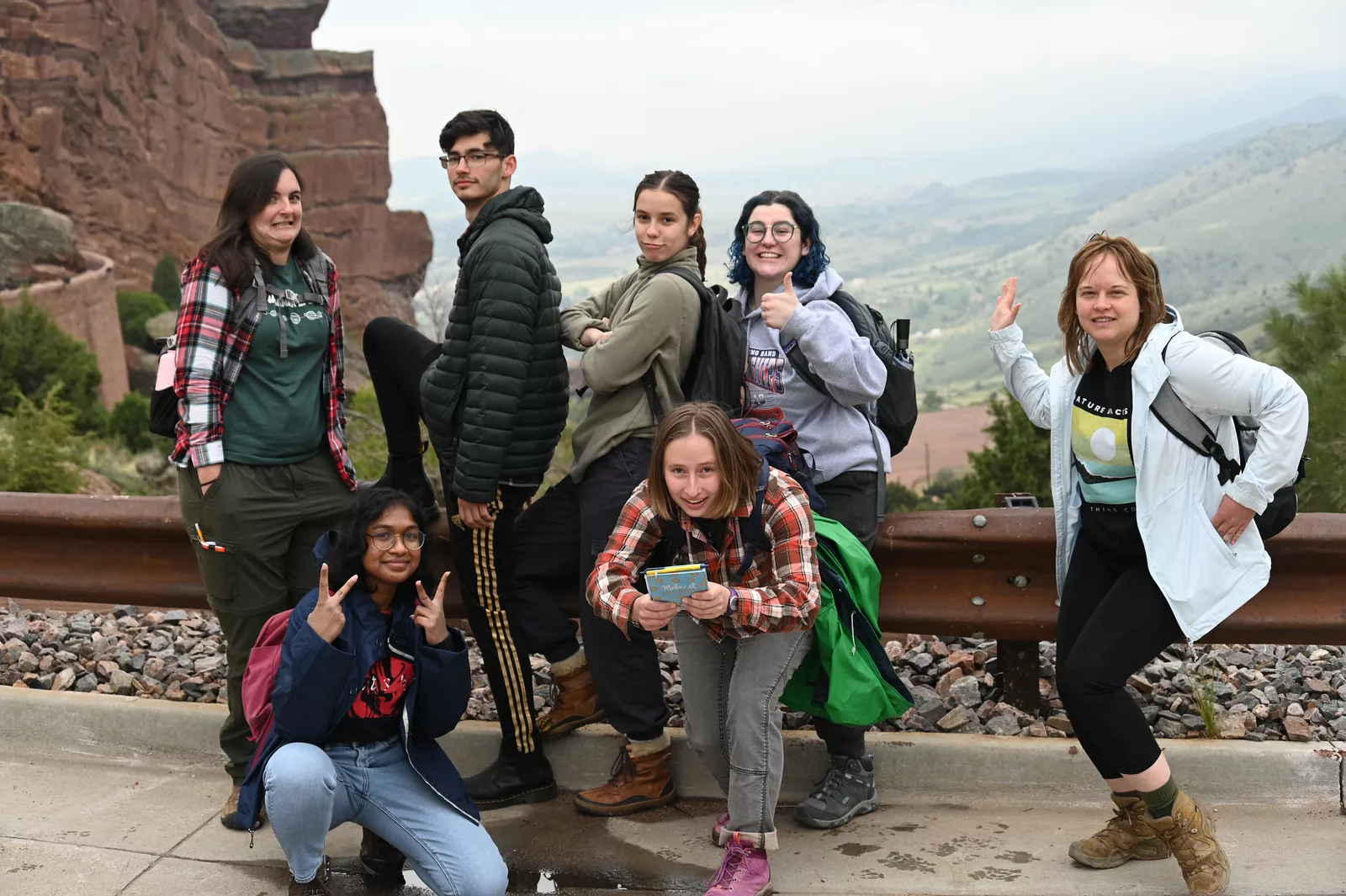
This NSF funded research expereinece for undergraduates (REU) provides interns with the opportunity to:

  • conduct exciting research with state of the art geophysical data and leading researchers at IRIS institutions
  • develop an understanding of scientific inquiry, including designing and conducting scientific investigations, defending scientific arguments, and preparing publications
  • gather, manage, and convey information, using various skills, strategies, resources, and
  • learn, use, and evaluate technologies for the collection and study of geophysical data.

This paid experience features a week-long orientation program, the use of a variety of virtual communication technologies to help you stay connected with other interns during your 8 to 10 week research placement, and an opportunity to present your research at a scientific meeting.


PhD Scholarship to study magma movement and time varying seismic properties

Victoria University of Wellington, New Zealand
PhD Scholarship to study magma movement and time varying seismic properties-reopened.

We have been awarded a three-year grant to study time varying seismic properties related to volcanic areas in New Zealand and several other volcanoes worldwide, including Japan, the U.S. and several island volcanoes.  This project will develop new methods of monitoring volcanoes using novel sources of seismic energy: repeated explosions, repeating earthquakes and the Earth's background hum. By relating spatial and temporal changes in seismic wave properties to other indicators of stress around volcanoes and quantitatively modeling these changes, we will extend our understanding of how volcanoes work and lead the drive towards predictive monitoring tools.  We are seeking a PhD student with a background in Geophysics, Math, Physics or Geology with a strong mathematical and/or computing ability to start as soon as possible.  

If you are interested in this project, please contact Martha Savage and also apply to the Victoria University of Wellington, following instructions at http://www.victoria.ac.nz/fgr/prospective-phds/applying.aspx.  The application deadline is 1 March 2010 and the application is free of charge.  Successful scholarship students from any country will receive a NZ$21,000 stipend and will not have to pay tuition fees.  Further details including the grant proposal are available upon request to Professor Martha Savage, martha.savage@vuw.ac.nz. 

Alumni work appears in the journal Nature


Not one, but two! Amanda Thomas (2005), a PhD student at UC Berkeley and Danny Brothers (2003), a PhD student at Scripps Institute of Oceanography, have each recently had their work published in nature. Congratulations to both Amanda and Danny!

Amanda and her colleagues have identified a robust correlation between extremely small, tidally induced shear stress parallel to the San Andreas fault and non-volcanic tremor activity near Parkfield, California. They suggest that this tremor represents shear failure on a critically stressed fault in the presence of near-lithostatic pore pressure. There are a number of similarities between tremor in subduction zone environments, such as Cascadia and Japan, and tremor on the deep San Andreas transform, suggesting that the results may also be applicable in other tectonic settings. Read the full abstract.
  
Danny and his colleagues have linked historical earthquakes on the southern section of California's famed San Andreas fault to ancient floods from the nearby Colorado River."We found quakes happened about every 100 to 200 years and were correlated with floods," says Brothers. "The Colorado River spills, loads the crust and then there is a rupture." Read about this work on the web or the full abstract.