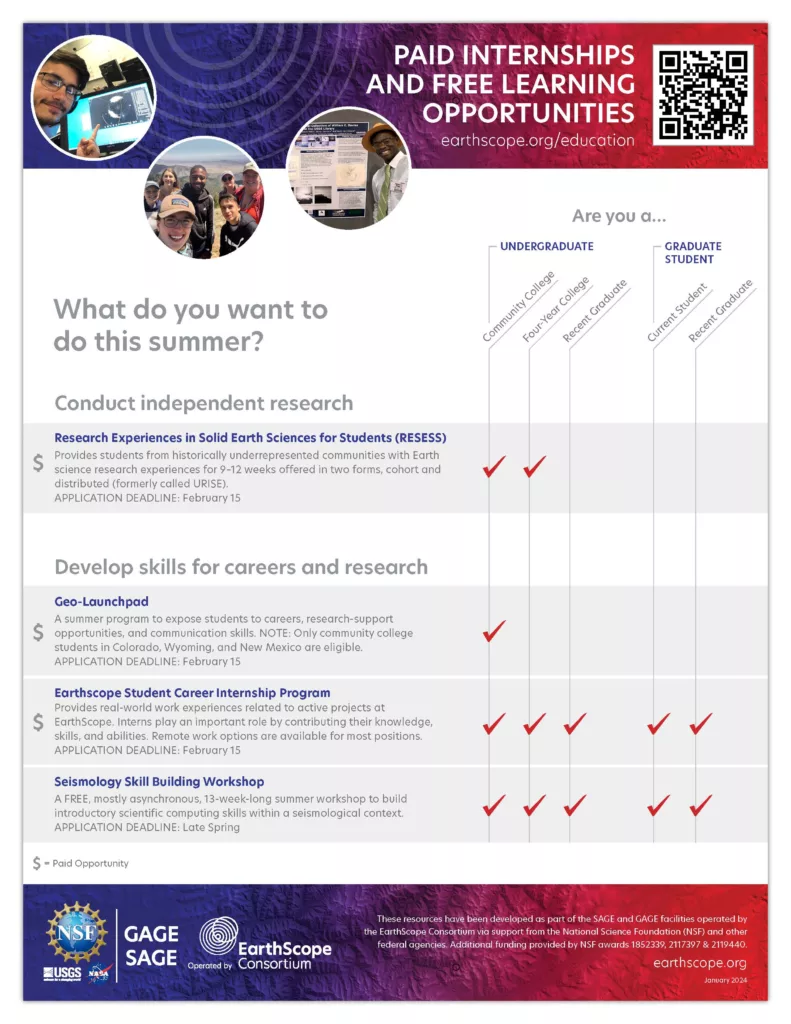



Summer 2008 Undergraduate Internship Program: Deadline January 30, 2008

Interested in Working with an Outstanding Undergraduate Student?

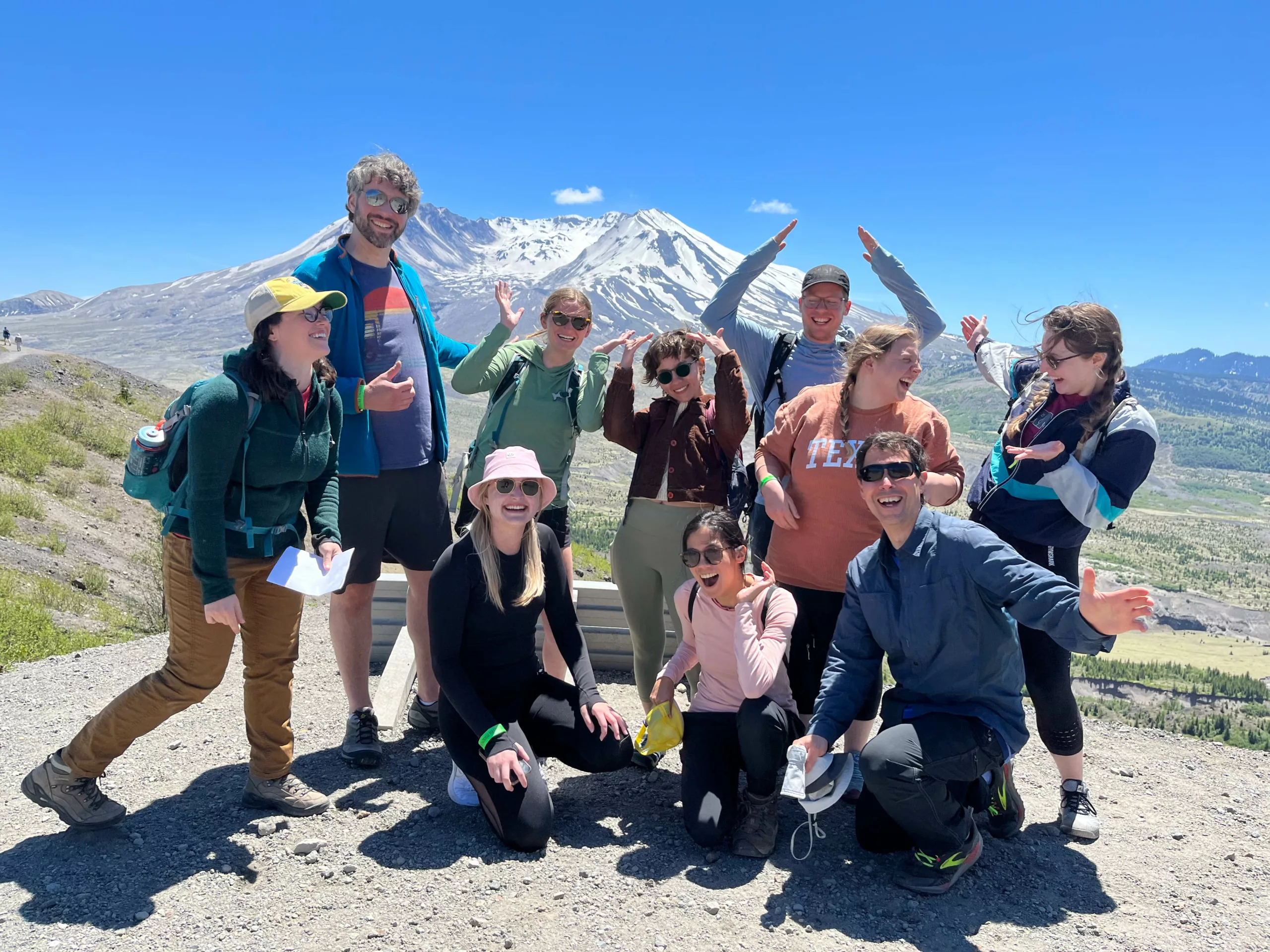
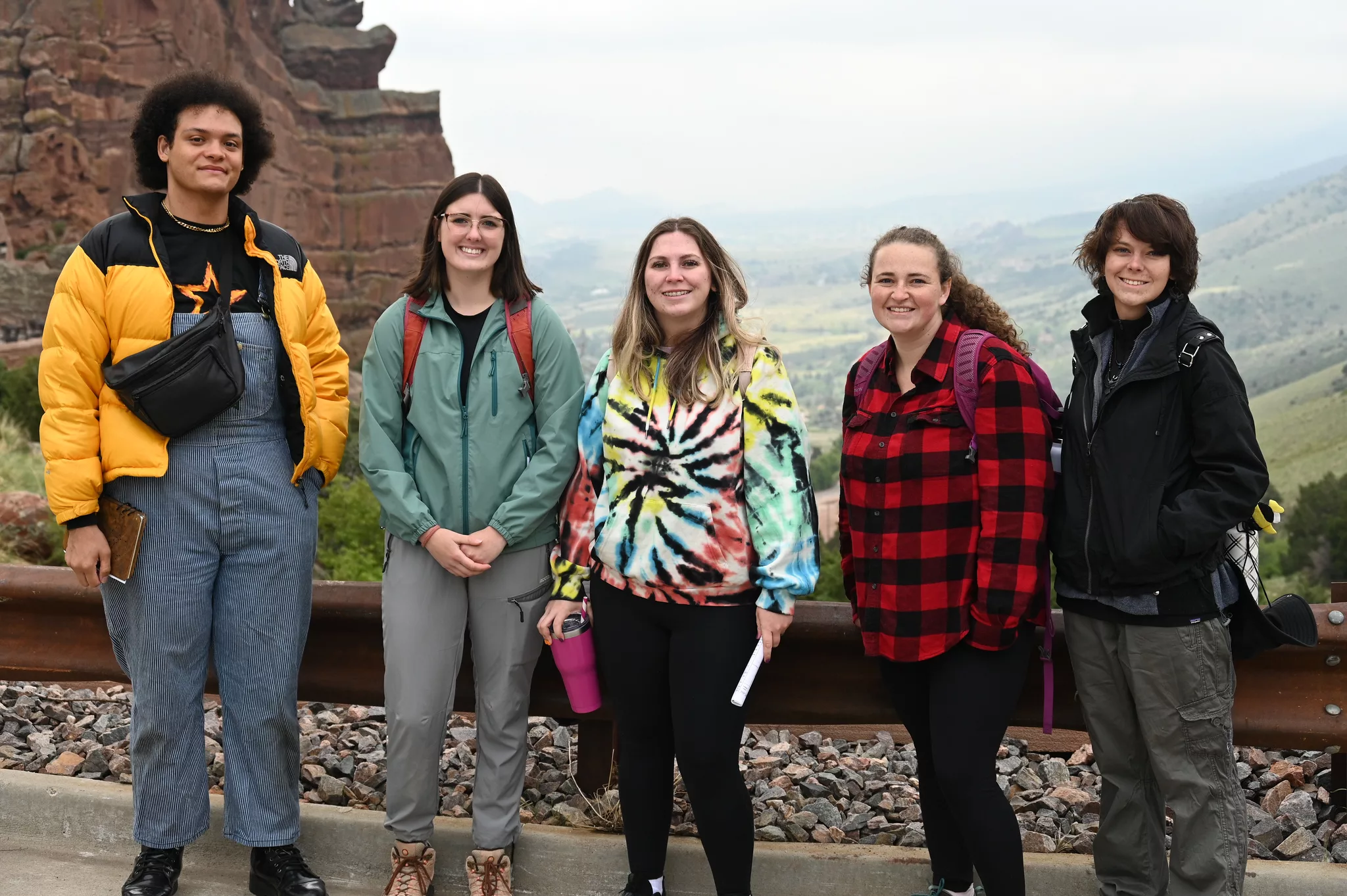
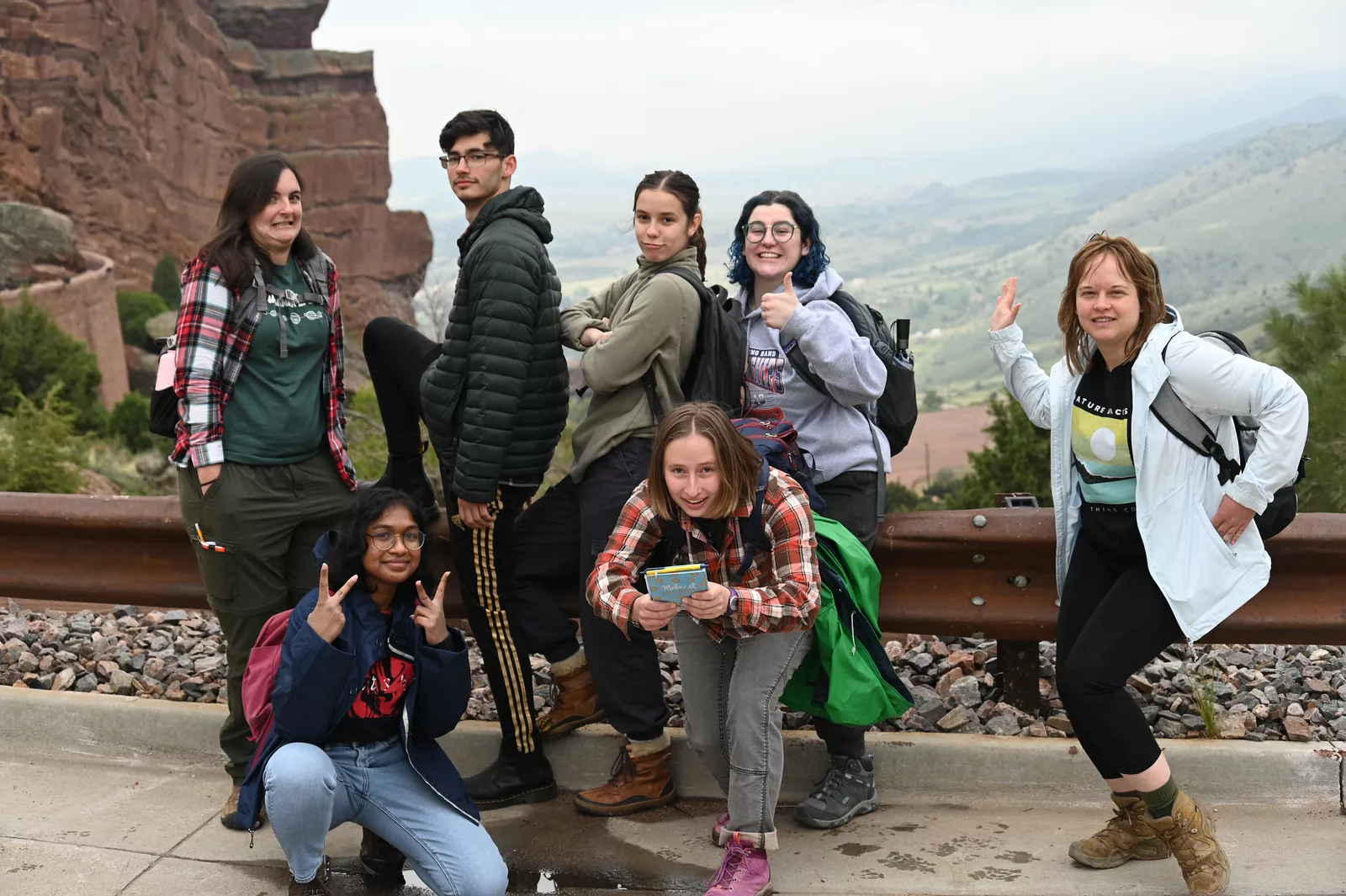
If so, consider hosting an undergraduate through the IRIS Summer Internship Program. The goal of this exciting program is to provide undergraduates with training and experience in seismological research through the universities and research institutions of the IRIS Consortium. To accomplish this goal principal investigators at IRIS member institutions and their research projects are matched with qualified undergraduate applicants from outside their own institutions. (IRIS will complete the initial matching of potential interns and PIs, however PIs have final approval of all matches.) Students will begin their summer experience with a one-week orientation the last week in May held on the campus of an IRIS member institution. The goal of the orientation period is to develop a strong sense of community among the interns and provide an introduction to some of the most exciting aspects of modern seismology.

Either prior to or following this orientation students will report to their respective host institutions to begin their summer research. Research projects may involve any aspect of seismology and may be based in the field or at the PI's home institution. PIs with PASSCAL field experiments scheduled for summer 2008 or recent PASSCAL PIs with data for students to work with, are particularly encouraged to apply. Interns are expected to present a paper on their summer project at a national geoscience meeting (such as AGU or the annual IRIS workshop) during the academic year following their internship. Projects will be selected based on their educational merit and the match with the interests and qualifications of the undergraduate applicants.

The PI’s home institution and the PI will be responsible for the intern's activities. Funding for the internship is provided via a sub award to the host institution, who is then responsible for paying interns their stipend.

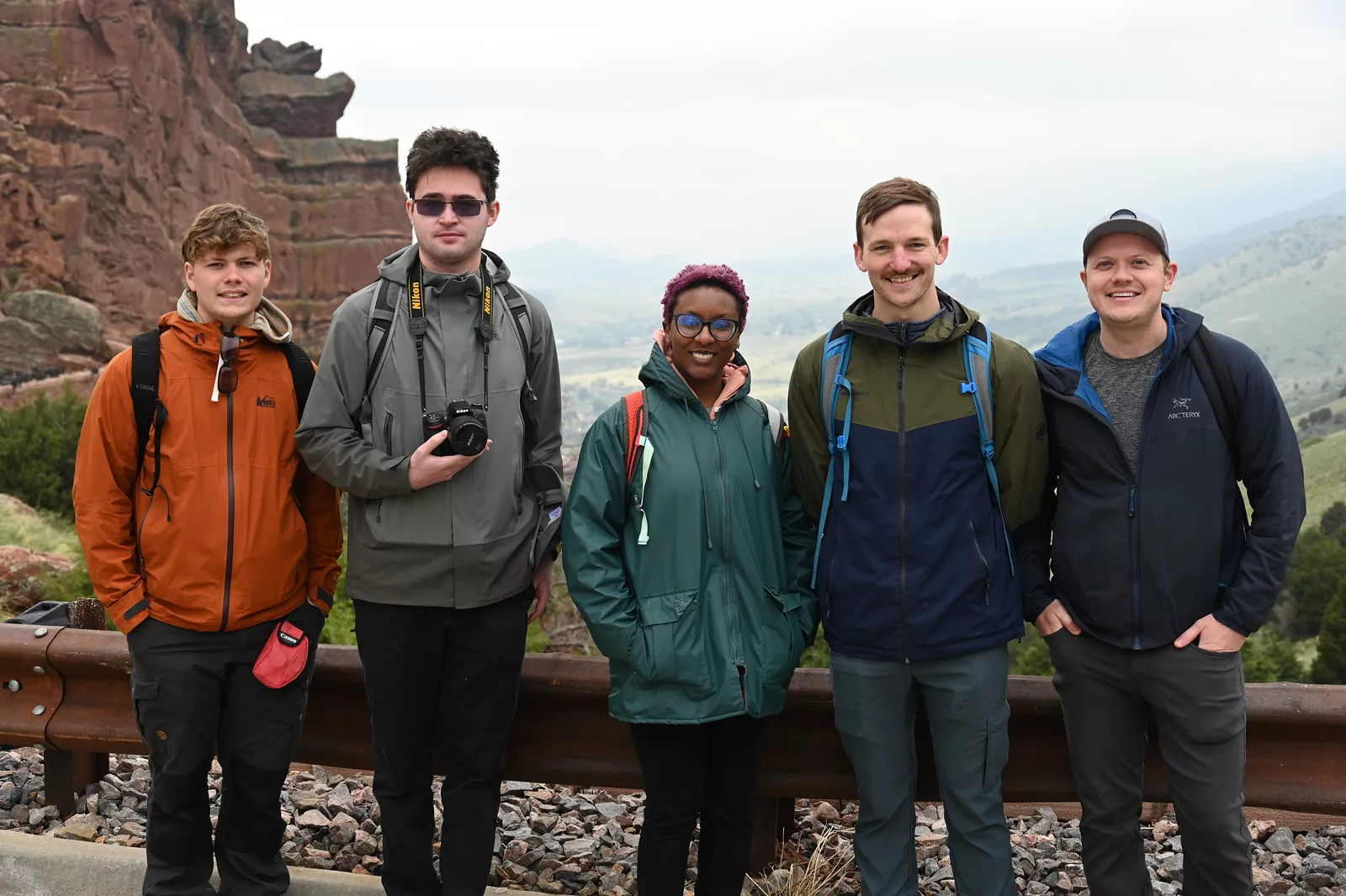
2006 IRIS Undergraduate Internship Program
 

Funding :

The Education and Outreach Program will provide

  • $450/week for 9- 11 weeks
  • Intern's travel expenses either to the PI's institution or to the field (paid directly by IRIS and should not be included in budget)
  • Up to $1000 is available for consumable expenses during the internship. (e.g. field work expenses, office supplies, etc.)
  • (Directly to the student) Funds for the orientation week and presentation of intern’s project at the conclusion. (travel, registration, abstract submission fee and per diem)

Download Printable Brochure (.pdf format )

Deadline to Apply is January 30, 2008
In your application you will be asked to describe the following:

  • Goals (both scientific and developmental) for the intern during first, second and final thirds of the internship
  • A plan to monitor intern’s progress of these goals with the intern, making adjustments to them when necessary
  • The role and probable activities of the intern
  • Host’s pervious experience working w/ interns
  • Are you interested in supporting a student who wants to expand their project into an undergraduate research project or thesis?
  • The time period over which you would like the intern to work (9 - 11 weeks)
  • Necessary qualifications for the student intern (computer skills, geophysical knowledge, for field-based projects, physical fitness, etc.)
  • Budget on NSF 1030 Form & Budget description SEE BELOW FOR DETAILS

Step 1: Download the application file (.doc file) and complete it offline

Step 2: Return to this page and proceed to the online application. There you will cut and paste your responses into the fields

The budget should indicate the total number of weeks the student will be working (students will be paid $425 per week) and should include roughly itemized work-related expenses up to $1600 (air fare or other transportation, lodging and meals for field-based projects, and misc expenses). If the student's work-related expenses will exceed $1600, your budget should specify whether the student will be expected to cover any of these costs and give an upper limit on this amount. Our intention is that in most cases the student will be wholly reimbursed for work-related expenses. If there are additional expenses that must be borne by the student, the PI must ensure that the student is aware of these at the time of acceptance into the program.

*Note – INDIRECT COSTS/OVERHEAD ARE NOT ALLOWABLE per the award through which this program is funded (see NSF REU Program description for further details). In lieu of indirect costs, a 25% administrative fee on student stipends only is allowable. The PI will be responsible for arranging the administration of all funds through their institution.

Notification :

You will be notified by March 1 whether your project has been selected. We will forward applications of potential interns to you. If you wish, you may contact potential interns before you make your final selection. If you feel that none of the candidates are suitably qualified, you may withdraw your project from the program.

During the period March 1 - March 15 we will work with you to try to ensure a good match between your project and undergraduate intern. It is critical that you are available during this time period because this is when students make their summer plans. You must let IRIS know of your final selection and must then contact the intern to specify details of the internship (timing, travel etc). At the end of the summer, BOTH the PI and the intern will submit a brief report summarizing their experiences with the program. We also encourage you to work with the intern to have her/him present a paper at a professional meeting during the fall/winter following the internship. As stated above IRIS will cover the costs associated with the intern attending a professional meeting.

 Mentoring Resources

  • The Leadership Alliance has a succinct summary of recommended strategies for mentoring undergraduate students in science, available as a pdf. The Leadership Alliance is a consortium of 31 research and teaching academic institutions, dedicated to improving the participation of underserved and underrepresented students in graduate studies and Ph.D. programs. SOARS participates in alliance activities in partnership with CU.
  • The American Physiological Society Career Mentoring Program has published guidelines for a successful mentor/mentee relationship. http://www.the-aps.org/careers/careers1/mentor/guide-mentor.htm


For more information please contact Michael Hubenthal, Education Specialist, hubenth@iris.edu.